Commercial access control
Decide who can open which door, and when. We install, expand and repair commercial access control: the readers, locks, power and wiring, and the permissions, schedules and training that make it useful.
- In business since 2020
- We walk the site before we quote
- Labelled, tested and documented at handover
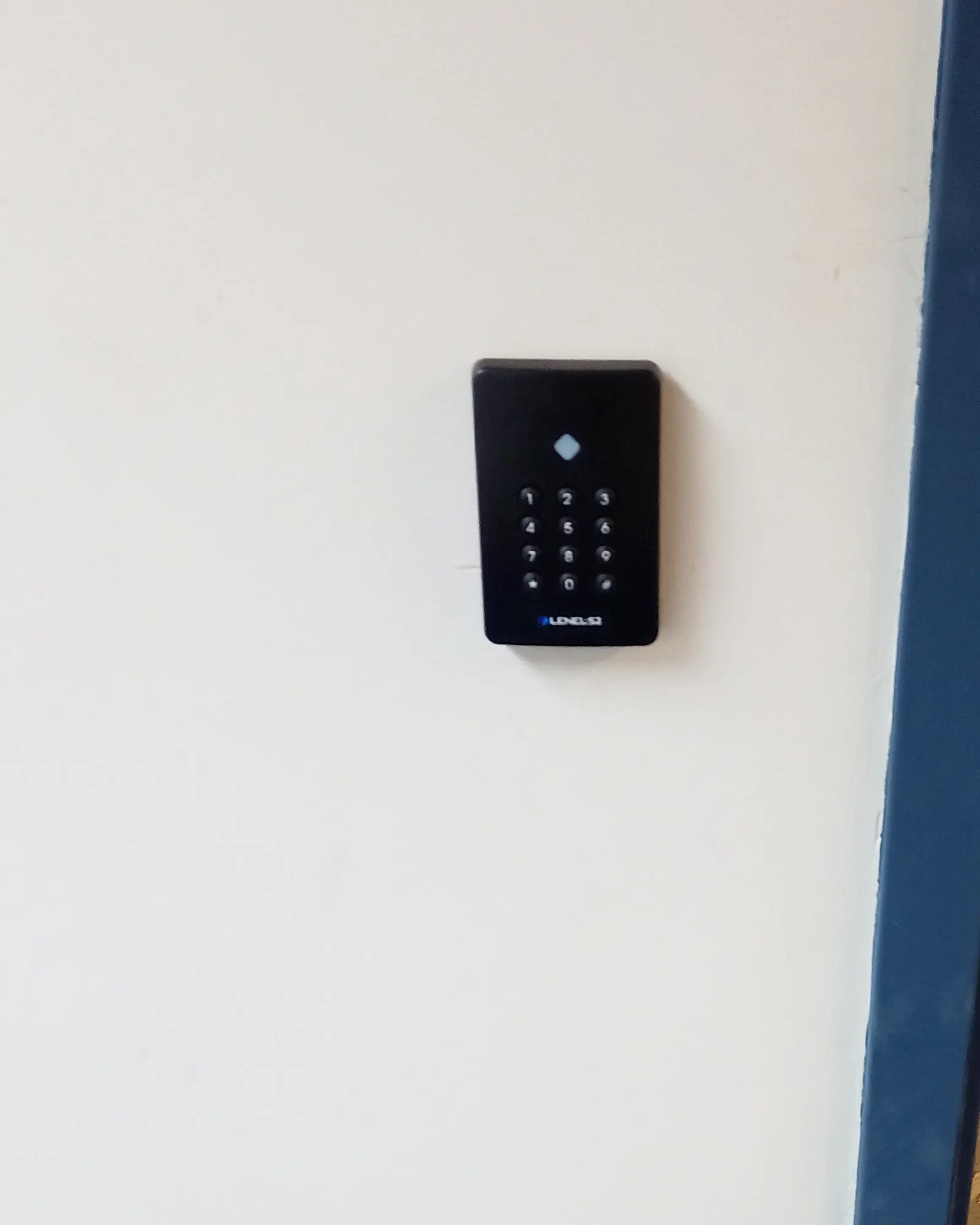
What we can help with
One controlled door or a multi-building site, a new system or one somebody else put in: we install, expand and service commercial access control across the GTA and select Southern Ontario sites.
- A new system, for one door or a whole warehouse or office
- More doors, readers or panels on the system you already have
- Taking over, repairing or tying in a LenelS2, ICT Protege, Brivo or Mercury site
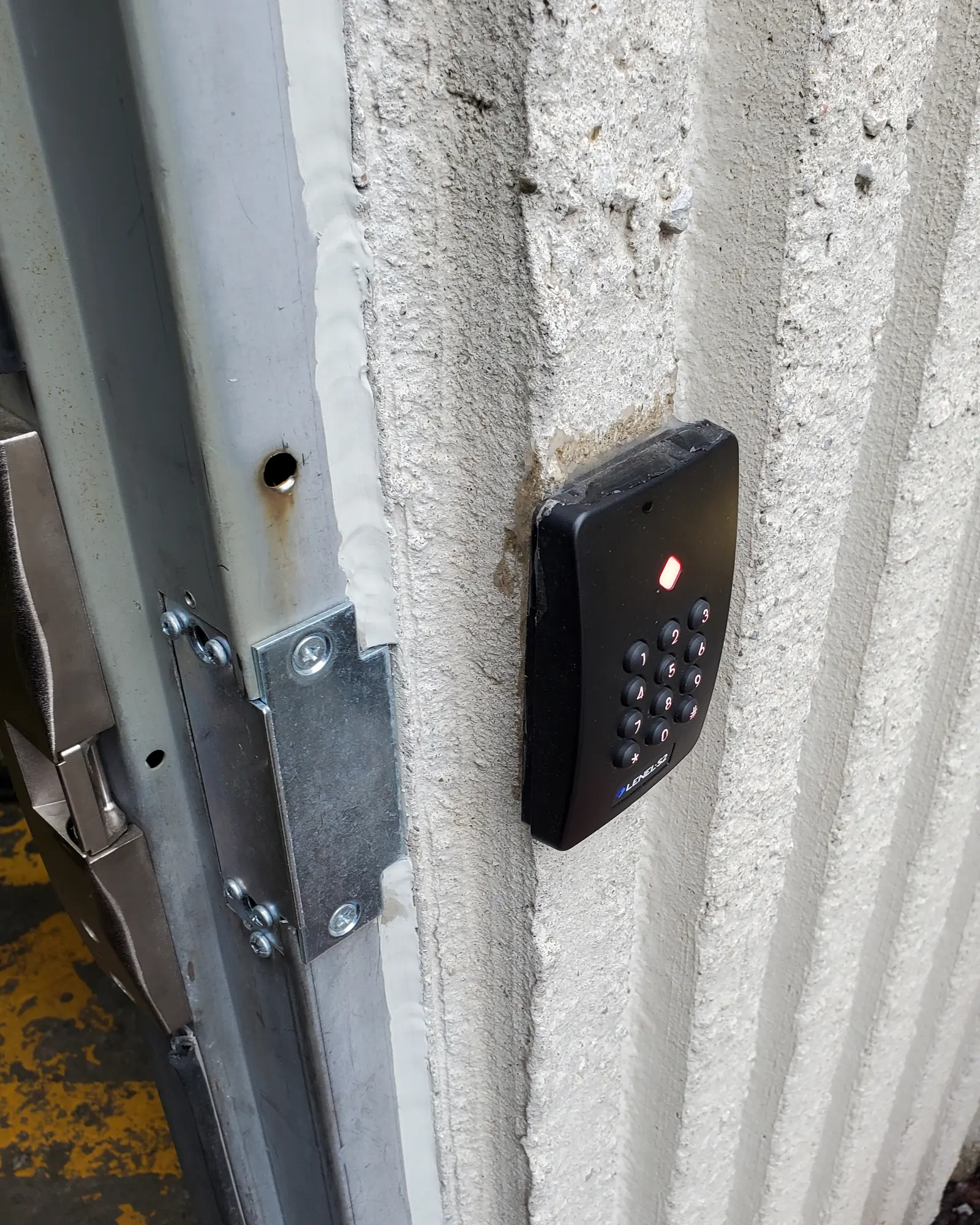
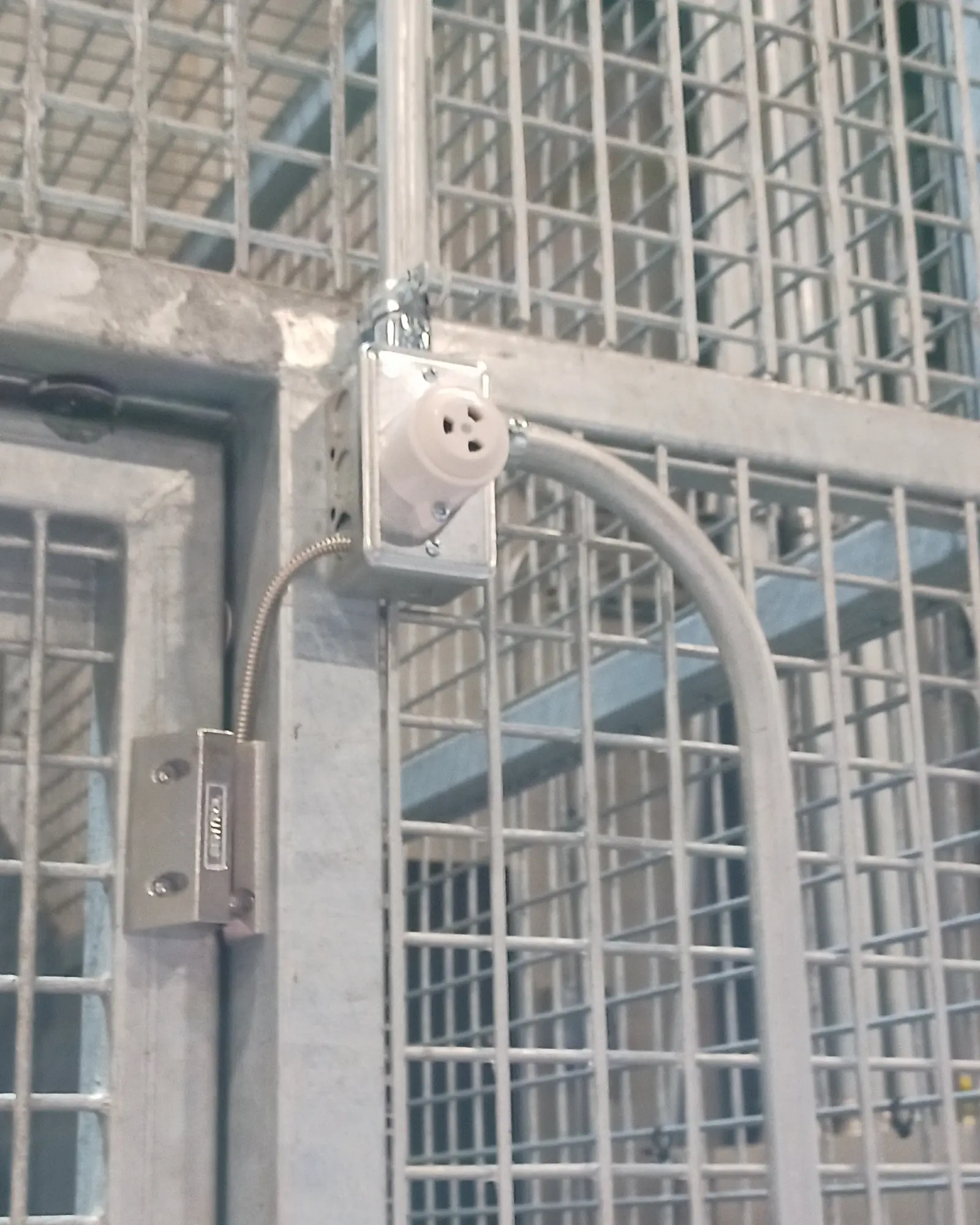
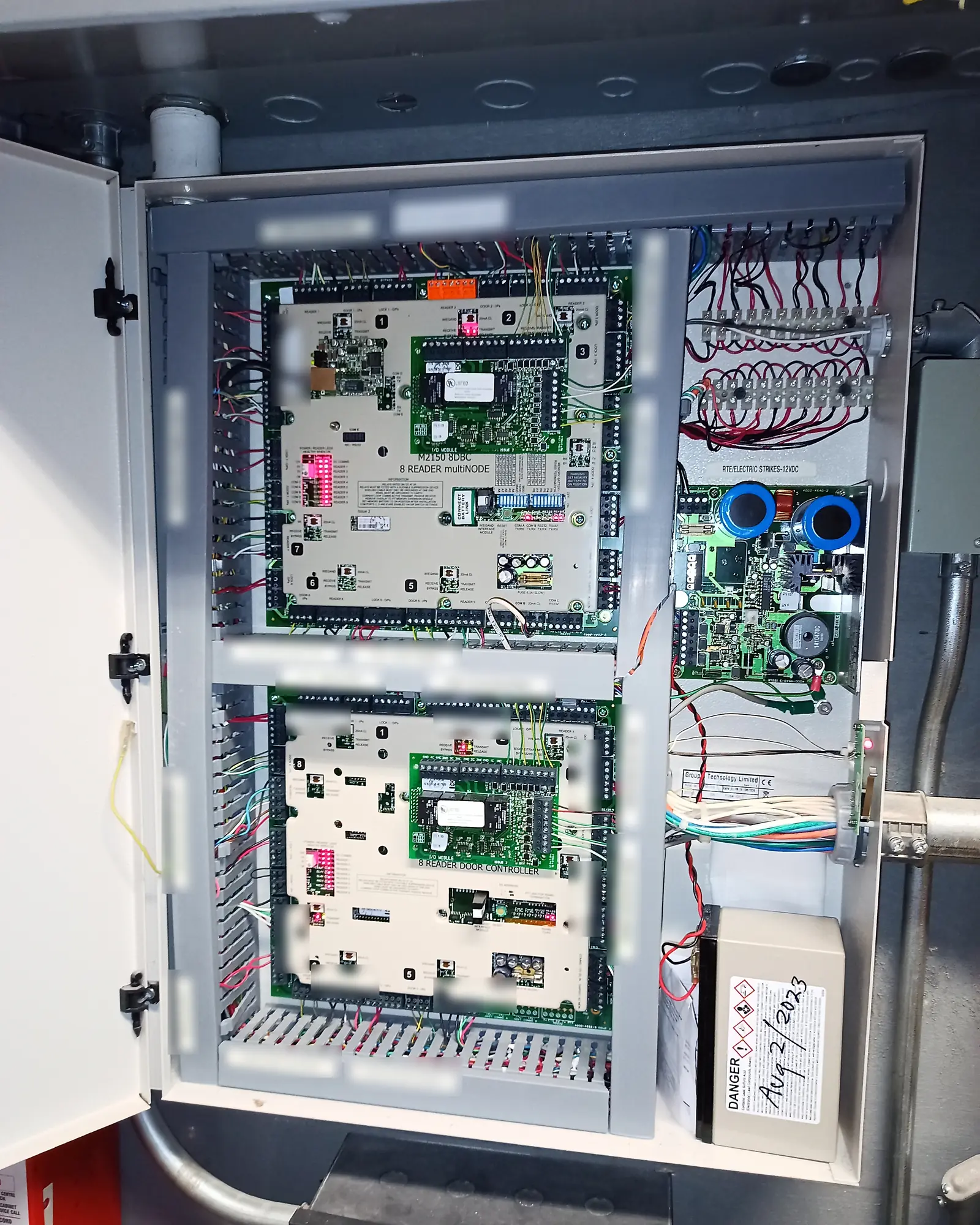
Photos from our jobs
How it works
What sits behind one controlled door
The reader is the part people see, and the smallest part of the job. Behind it are the lock on the door, a contact that knows whether the door is shut, a request-to-exit device chosen for the opening, a power supply, a cable back to the controller, and the programming that ties it all together.
Before we price it, we check the door and frame, make sure the door actually closes properly, and walk the cable route back to the controller.
Choosing the door hardware
What goes on each door depends on what the door is for. We confirm the locking hardware, exit requirements, behaviour when the power fails and any fire alarm interface with the responsible specialist before anything is ordered.
Before we quote, we look at the existing panels, readers, cabling, software and licensing on site to see what can be reused, repaired or tied in.
- 1
- Power supply / sub-controller
- Power supply and battery backup selected for the opening. Any fire-alarm interface is confirmed with the responsible specialist.
- 2
- Credential reader
- Card or mobile credential reader, with the communication method and mounting position selected for the system and applicable design.
- 3
- Door position switch
- Concealed magnetic reed in the frame header. Reports whether the door is open or closed, and alarms when it is forced or held open.
- 4
- Request-to-exit sensor
- Signals an exit request to the access system. Its role in alarm handling and lock control depends on the approved door design.
- 5
- Electric strike
- Locking hardware, behaviour on loss of power and exit requirements are selected together for the opening with the responsible specialist.
- 6
- Power transfer hinge
- Concealed transfer from frame to leaf, so an electrified lock body carries no exposed wiring.
What’s included
| Part | What we do |
|---|---|
| Readers | HID Signo and iCLASS SE, LenelS2, ICT and biometric (fingerprint or face) readers for cards, fobs, phones and PINs |
| Controllers | Mercury (LP/MP/MR52), LenelS2, ICT Protege GX/WX and Brivo controllers, with power supplies and battery backup |
| Locking hardware | Electric strikes, storefront deadlatches, crash bars and exit devices, electrified mortise locks and maglocks |
| Door monitoring | Door contacts and request-to-exit sensors, so the system knows when a door is forced or held open |
| Read-in / read-out | Readers on both sides of a door, so the system records who went in and who came out |
| Elevators | Floor control: a reader in the cab decides which floor buttons a credential can use |
| Gates and equipment | Long-range HID UHF vehicle readers and pedestrian gate readers on the same credentials as your doors |
| Door requirements | Locking hardware, exit requirements and any fire alarm interface confirmed for each door with the responsible specialist before installation |
| Programming | Credentials, access levels, schedules and holidays set up, tested and handed over with operator training |
We test and label the work in our scope, show your team how to use it, and hand over the agreed records: cable test reports, as-builts and port schedules where they’re part of the job.
Request a quote